



GForge
An all-in-one DevOps platform combining issue tracking, Git/SVN repositories, wikis, CI/CD, and release management—available as SaaS or on-premise for teams that want one integrated solution.
Cost / License
- Freemium
- Proprietary
Application types
Platforms
- Online
- Self-Hosted
- Software as a Service (SaaS)
- Docker

Features
Properties
- Support for Themes
- Lightweight
Features
 Git Support
- Support for MarkDown
- WYSIWYG Support
- Dark Mode
- Works Offline
- Full-Text Search
- Syntax Highlighting
- File Tagging
- Real time collaboration
- Support for @mentions
- Ad-free
- Kanban Board
- No Coding Required
- Subtasks
- Issue Tracking
- On-premises software
- Wiki
- Release Management
- Sprints
- CI/CD
Tags
- svn-hosting
- git-hosting
- Subversion
- atlassian-alternative
- agile-project-management-tool
- self-hosted-apps
- SCRUM
- github-alternative
- DevOps
- agile-project-management
- sprint-planning
- jira-alternative
- gitlab-alternative
- bug-tracking
- sprint-management
- agile
GForge News & Activities
Recent News
Recent activities
GForge information
Developed by
 GForge
 Licensing
Proprietary and Freemium product.Pricing
free version with limited functionality.Alternatives
45 alternatives listedSupported Languages
- English
- French
- Spanish
AlternativeTo Categories
Development, Office & Productivity, Social & Communications, Business & Commerce, Education & Reference, File Management, Network & Admin

What is GForge?
GForge is an all-in-one DevOps and project management platform that replaces the need for multiple disconnected tools. It combines issue tracking, Git and SVN repositories, wikis, document management, discussion forums, CI/CD build integration, sprint planning, and release management in a single integrated solution.
Unlike toolchains that require juggling Jira for tickets, GitHub for code, Confluence for documentation, and Jenkins for builds, GForge provides all of these capabilities in one place with unified search, reporting, and permissions. Tracker items automatically link to commits, builds connect to releases, and wikis stay alongside the code they document.
GForge is available as a cloud SaaS or fully on-premise, making it a strong fit for organizations with strict security, compliance, or air-gapped requirements. It's particularly popular with defense contractors, aerospace companies, and federal agencies that need to maintain complete control over their development infrastructure.
Key features include:
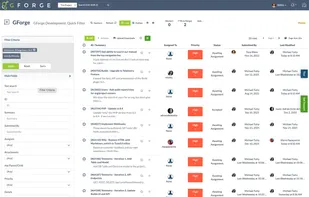
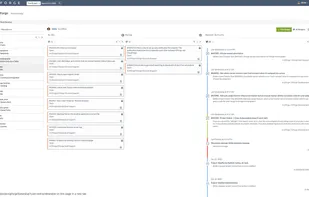
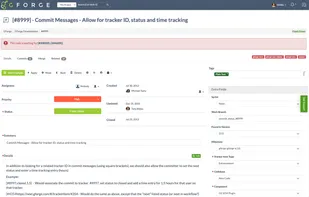
Issue & Task Tracking – Customizable workflows, fields, and role-based permissions Source Control – Integrated Git and SVN hosting with code browser and merge requests Wikis & Documents – Project documentation with version control Sprint Planning – Kanban boards, backlogs, and burndown charts CI/CD Integration – Build status tracking tied to commits and releases Release Management – Milestones, roadmaps, and release notes Reporting – Activity reports, project summaries, and custom queries Team Standups – Built-in standup views showing what each team member is working on