The Linux kernel is the core component of the Linux operating system. It's responsible for managing the system's resources and facilitating communication between hardware and software. It was first created by Linus Torvalds in 1991 and is open-source, allowing for...
Nanos AlternativesOperating Systems and other similar apps like Nanos
Nanos is described as 'New kernel designed to run one and only one application in a virtualized environment. It has several constraints on it compared to a general purpose operating system such as Windows or Linux - namely it's a single process system with no support for running' and is a operating system in the os & utilities category. There are more than 10 alternatives to Nanos for a variety of platforms, including Linux, BSD, Self-Hosted, Mac and Windows apps. The best Nanos alternative is Linux kernel, which is both free and Open Source. Other great apps like Nanos are FreeBSD, OpenBSD, Linux-libre and GNU Hurd.
Alternatives list
- 17 Linux kernel alternatives
- 193 FreeBSD alternatives
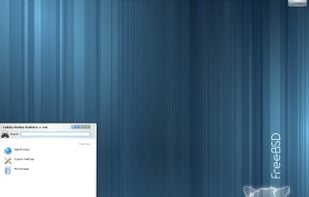
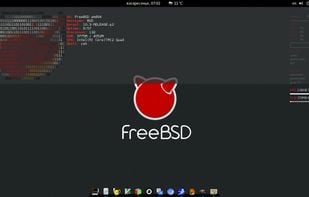
FreeBSD is an operating system used to power modern servers, desktops, and embedded platforms. A large community has continually developed it for more than thirty years. Its advanced networking, security, and storage features have made FreeBSD the platform of choice for many of...


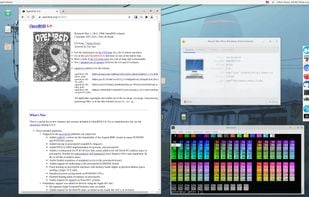
The OpenBSD project produces a FREE, multi-platform 4.4BSD-based UNIX-like operating system. Our efforts emphasize portability, standardization, correctness, proactive security and integrated cryptography.


Linux-libre is a GNU package that is maintained from modified versions of the Linux kernel. The aim of the project is to remove any software that does not include its source code, has its source code obfuscated or released under proprietary licenses.
Cost / License
- Free
- Open Source (GPL-2.0)
Platforms
- Linux

GNU Hurd (usually referred to as the Hurd) is a computer operating system kernel designed as a replacement for Unix, released as free software under the GNU General Public License. It has been under development since 1990 by the GNU Project of the Free Software Foundation.

Redox is a Unix-like Operating System written in Rust, aiming to bring the innovations of Rust to a modern microkernel and full set of applications.


+1
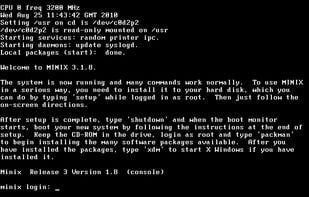
MINIX is a POSIX-compliant Unix-like operating system based on a tiny microkernel running in kernel mode with the rest of the operating system running as a number of isolated, protected, processes in user mode.
Cost / License
- Free
- Open Source
Application type
Platforms
- Mac
- Windows
- Linux
- BSD
- Self-Hosted


NixBSD is an attempt to make a reproducible and declarable BSD, based on NixOS. Although theoretically much of this work could be copied to build other BSDs, all work thus far has been focused on building a FreeBSD distribution.
Xinuos OpenServer™ 10 is a 64-bit operating system based on the popular FreeBSD and designed to support business applications within an enterprise environment.
Cost / License
- Free
- Open Source
Application type
Platforms
- Mac
- Windows
- Linux
- BSD
- Self-Hosted
- 121 BlackBerry QNX alternatives
Based in Ottawa, Ontario, Canada, BlackBerry QNX has provided foundational software for many of the world’s mission-critical embedded systems since 1982. From nuclear power plants, surgical robots and class III life-critical medical devices to autonomous vehicles and brands like...
Cost / License
- Freemium
- Proprietary
Application type
Platforms
- Mac
- Windows
- Linux
- BSD
- Self-Hosted
- 138 RISC OS alternatives
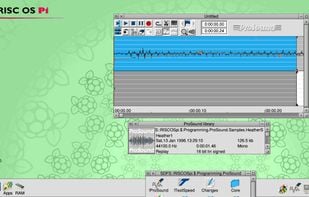
Risc OS is an open-source OS specifically designed to run on the ARM chipset.


+4