

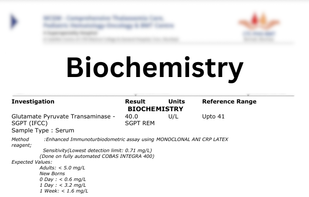
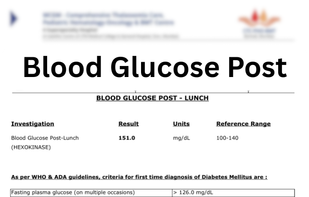
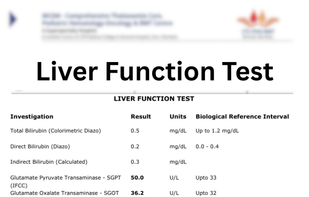
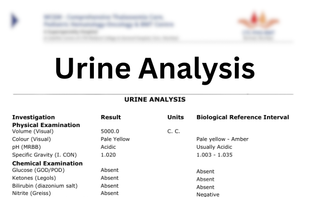
LIMSXL is a flexible pathology lab software built to handle the full range of operations in diagnostic labs and hospitals.
Cost / License
- Paid
- Proprietary
Platforms
- Online
- Software as a Service (SaaS)
+1


StreamlineLab LIMS is described as 'StreamlineLab (LIMS) is a software system for managing and automating laboratory processes. It enables efficient sample tracking, test data management, and ensures compliance with standards and regulations' and is an app in the education & reference category. There are seven alternatives to StreamlineLab LIMS for a variety of platforms, including Web-based, SaaS, Self-Hosted, Plone and Android apps. The best StreamlineLab LIMS alternative is LIMSXL. It's not free, so if you're looking for a free alternative, you could try Bika LIMS. Other great apps like StreamlineLab LIMS are Scifeon, Qualis Lims, MocDoc Laboratory Management Software and Flabs Pathology Software.
LIMSXL is a flexible pathology lab software built to handle the full range of operations in diagnostic labs and hospitals.
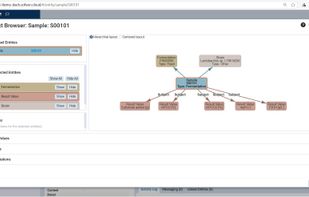
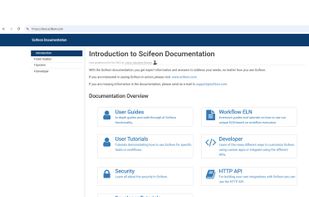
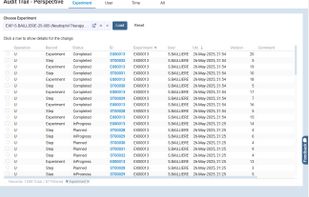
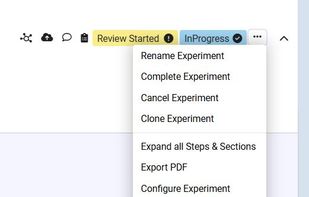
A modern digital platform combining LIMS and ELN in a modular, compliant system for biotech and pharma labs. It supports fast deployment, audit trails, automated workflows, and real-time dashboards.

QuaLIS® LIMS is Agaram’s solution platform to implement LIMS Software (Laboratory Information Management Systems). It encompasses a wide range of integrated solutions.


MocDoc LIMS is a #1 Laboratory Information Management Software that streamlines workflows, automates tasks, and boosts efficiency. Trusted by 1,500+ labs worldwide, it supports ISO 17025, NABL, EPA & NELAP standards. Manage samples, billing, QC & more with ease.
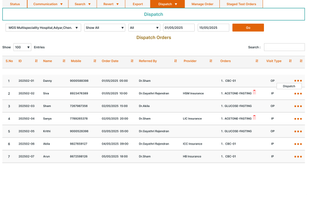
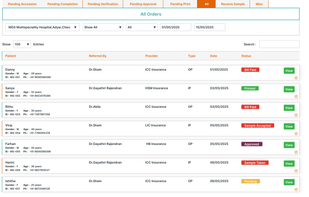
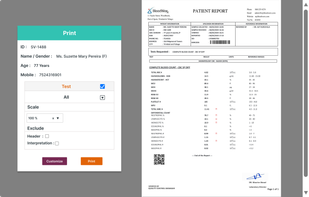
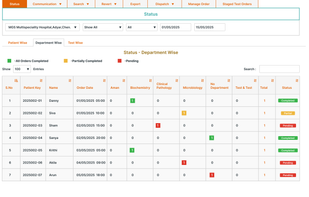


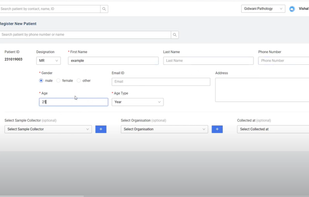
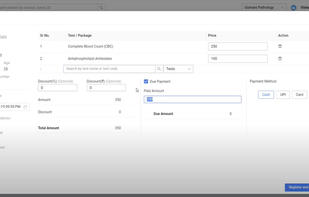
Flabs pathology software Streamlined Lab Operations, Enhanced Patient Experience and provide Affordable and Scalable Solution. This Lab information software helpful in laboratory management.


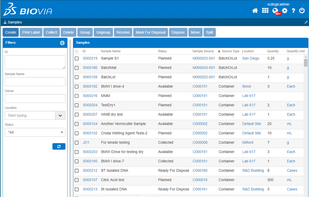
BIOVIA LIMS is purpose-built to manage 21st-century requirements for informatics supporting lab management processes . BIOVIA’s process- and execution-driven approach to LIMS deployments is fundamentally different from the sample-driven approach of traditional LIMS.



 South Africa


 India
India

 France
 EU
EU