Eww Alternatives
Eww is described as 'Elkowars Wacky Widgets is a standalone widget system made in Rust that allows you to implement your own, custom widgets in any window manager' and is a desktop customization tool in the os & utilities category. There are more than 50 alternatives to Eww for a variety of platforms, including Linux, Windows, Mac, Wayland and BSD apps. The best Eww alternative is Rainmeter, which is both free and Open Source. Other great apps like Eww are ViBox, Conky, Uwidgets and Cairo-Dock.
Alternatives list
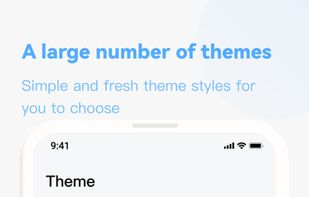
Hologram lets you theme your desktop with widgets and wallpapers (over 5 million to choose from!).
Cost / License
- Paid
- Proprietary
Platforms
- Mac


+7
- 23 GKrellM alternatives
GKrellM is a single process stack of system monitors which supports applying themes to match its appearance to your window manager, Gtk, or any other theme.


- 20 Widgetable alternatives
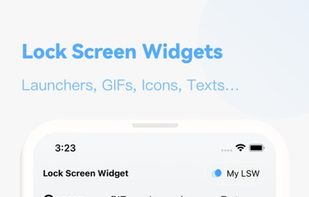
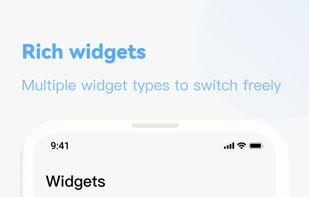
Widgetable provides trending widgets on your lock and home screen, including pet widgets, plant widgets, social widgets for friends and couples, mood bubbles, dynamic icons, app launching widgets and contact shortcuts.
Cost / License
- Freemium
- Proprietary
Platforms
- iPhone
- Android


+7
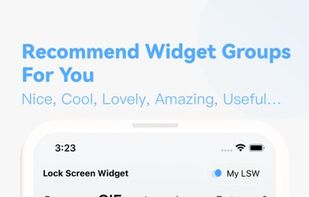
Personalize your Home and Lock Screen with Lockera. Keep track of essential information.
Cost / License
- Freemium
- Proprietary
Platforms
- Mac
- iPhone
- iPad


+7
- 23 xfce-panel alternatives
Xfce componet to switch between opened windows, launch applications, switch workspaces and menu plugins to browse applications or directories.
Cost / License
- Free
- Open Source (GPL-2.0)
Platforms
- Linux
- BSD
Lets you keep your eye on system resource usages of your PC. It supports 43 kinds of information including CPU, Memory, Network, and detailed HDD usages, so you may discover what's limiting your system performance in each occasion.
Cost / License
- Free Personal
- Proprietary
Platforms
- Windows

This program is a GTK3-based wrapper to display a script output, or a text file content on the desktop in sway or other wlroots-based compositors. It uses the gtk-layer-shell library to place the window on the bottom layer.