

Cost / License
- Paid
- Proprietary
Platforms
- Mac
 China
China



+2
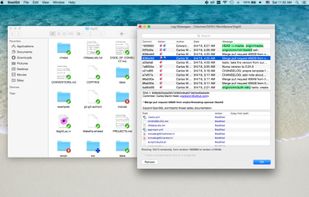


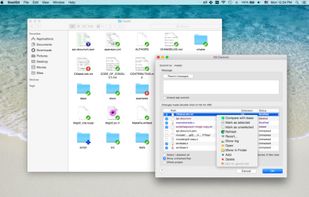
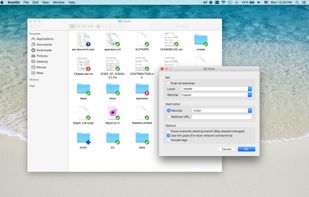
Sourcetree is described as 'A powerful Mac and Windows client for Mercurial and Git distributed version control systems' and is a very popular Version Control system in the development category. There are more than 50 alternatives to Sourcetree for a variety of platforms, including Mac, Windows, Linux, Flathub and Android apps. The best Sourcetree alternative is GitKraken, which is free. Other great apps like Sourcetree are GitHub Desktop, Fork, SmartGit and Gittyup.
China
 Germany
 EU
EU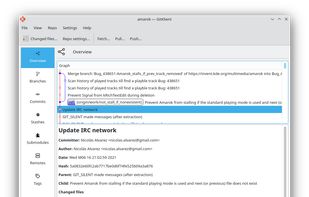


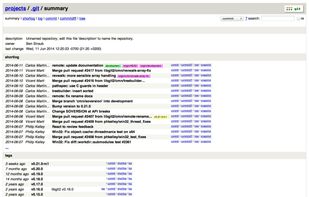
Gitweb is a Git web interface. It is written in Perl and can be used as a CGI script, or as a mod_perl legacy script (run by ModPerl::Registry handler). It allows browsing a git repository (or a set of git repositories) using a web browser.


AngKorGit is a modern, cross-platform Git client for macOS, Windows, and Linux — a 12 MB download instead of the ~1 GB of Electron-based clients, built with Rust and native webviews for speed.
 Cambodia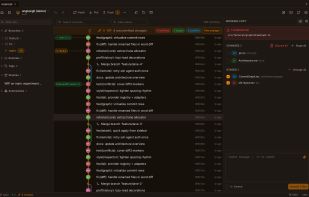
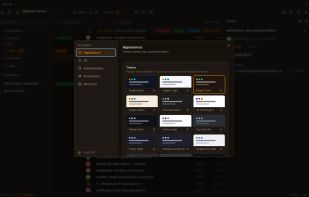


A lightweight Git activity monitor and developer velocity tracker for tracking daily commit momentum across repositories.
 United States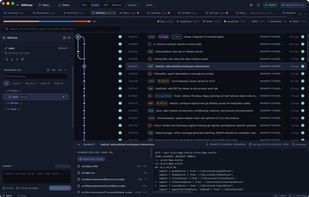
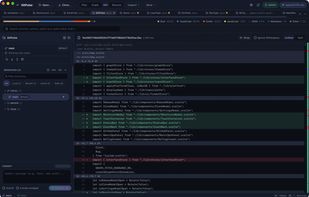
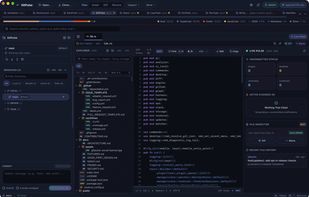
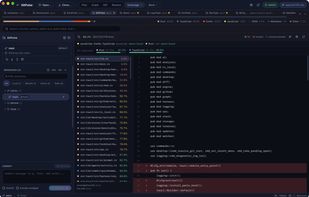


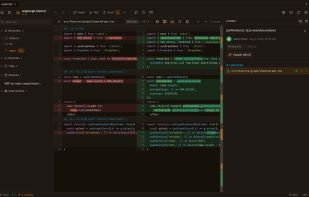
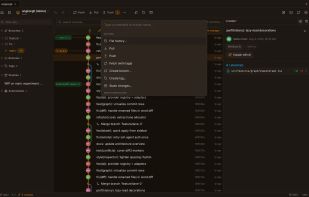
GitMeridian is a native Mac Git client for developers whose coding agents now write faster than they can read.
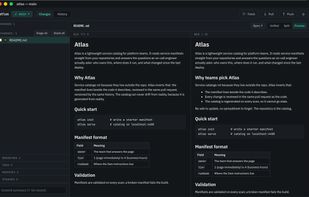
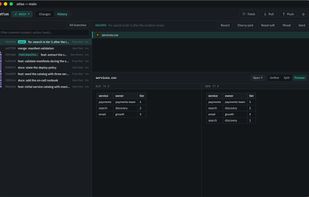
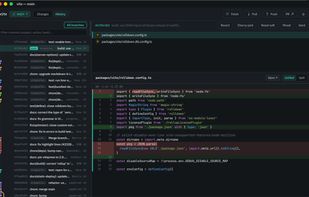


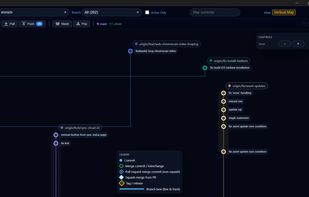
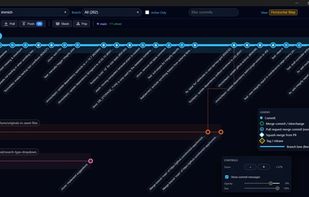
A fast, lightweight Git GUI for macOS, Windows & Linux. Visual commit graph, 3-way merge editor, GitHub/GitLab/BitBucket integration. No account required. Pro at €49/year.
 FranceEU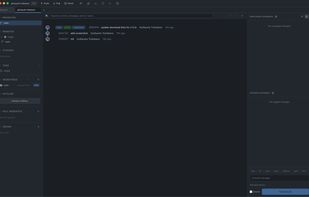
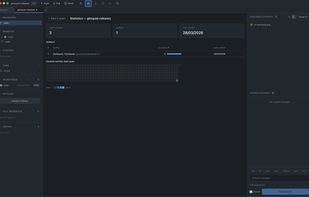
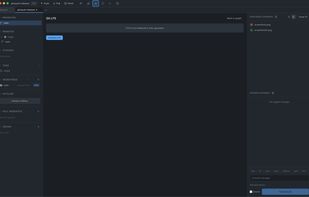
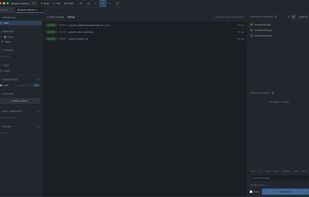


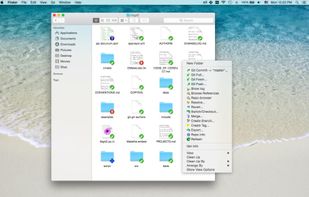
Glint is a graphical user interface for Git with heaps of functionality packed into an intuitive and friendly interface. Both powerful and easy-to-use, Glint lets you break free from the command line and manage your repositories in an easier, more visual way.
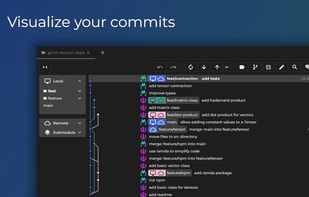
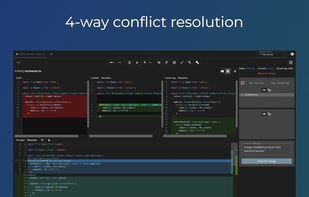
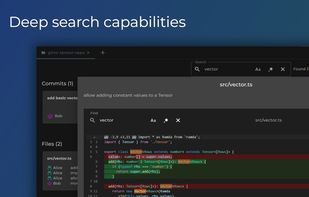
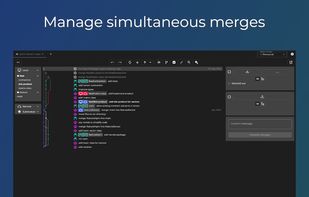


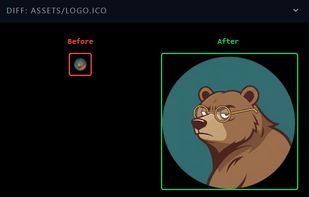
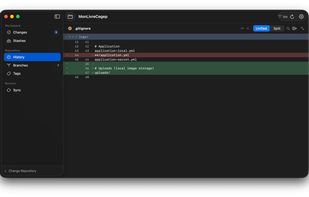
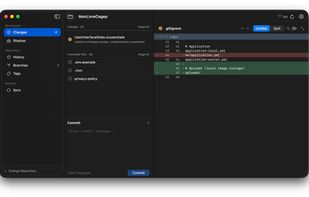
A free, professional-grade Git client for macOS. Tower-like experience with best-in-class diff visualization. Local-first, privacy-focused, and completely open source.
 Canada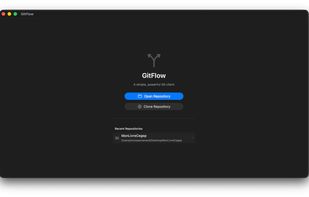


OctoDroid is GitHub client for mobile Android devices. It allows you to browse, download source code, add/edit comments, and more.
 Malaysia



This is a passion project of mine where I wanted a cross-platform git client, which would tackle some of the pain-points of existing solutions. Namely, conditional strategies to handle larger repositories (i.e. Kubernetes, Linux kernel, etc.