

Cost / License
- Free
- Proprietary
Application type
Platforms
- Mac
- Windows
 United States
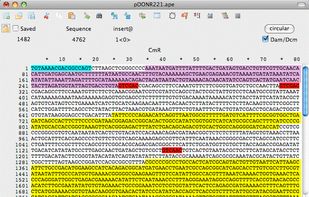

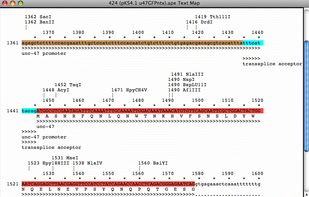

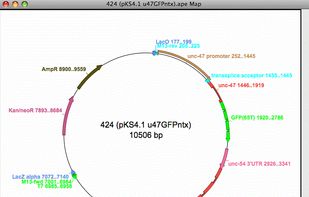


Chromas is described as 'Two software applications are available from Technelysium: Chromas and ChromasPro' and is a DNA Editor in the sport & health category. There are more than 25 alternatives to Chromas for a variety of platforms, including Windows, Mac, Linux, Web-based and SaaS apps. The best Chromas alternative is VectorBee, which is free. Other great apps like Chromas are BioEdit, Genophore, UGENE and SnapGene Viewer.
United States
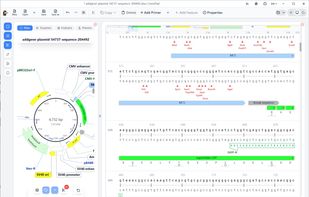
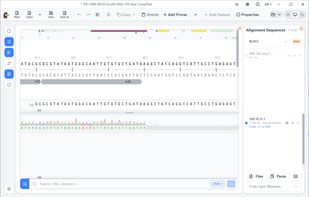
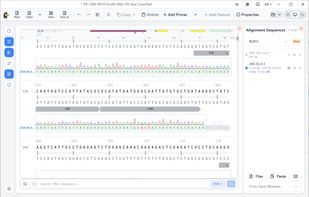
A cross-platform gene map editor for everyday molecular cloning: browse and edit plasmid maps, manage sequence annotations, analyze restriction sites, and align Sanger traces.
 China
China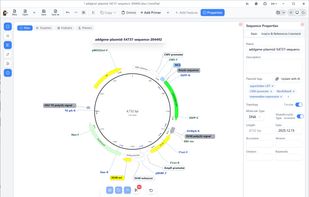


DNAssist provides an intuitive, single interface within which sequence files are displayed, edited and analyzed. The user can customize the display in editor windows by selecting the font, font size, and line length.
 Hong Kong SAR China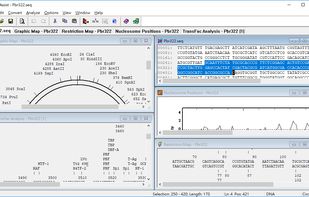


VectorFriends combines various types of cloning simulations, sequence analysis and data management into one application.
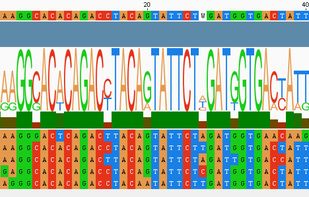

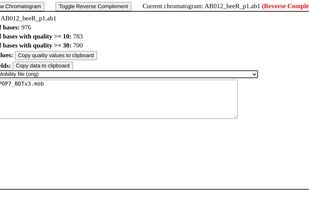
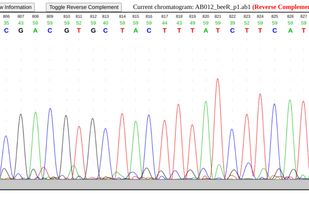
A free sequence chromatogram viewer that lets you view your ABI and SCF chromatograms. Your files are processed via javascript in your browser so that your data is not transferred to our servers. This means you can also save this tool to be used offline.

QIAGEN CLC Main Workbench is ideal for DNA, RNA, & protein sequence data analysis with a wide variety of features, no advanced computer skills required! The workbench is available for Windows, Mac OS X, and Linux platforms.
 Germany
 EU
EU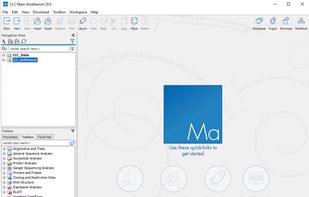


PlasmaDNA is a free DNA analysis and manipulation software. It is simple to learn and to use, and contains multiple features designed to help with:


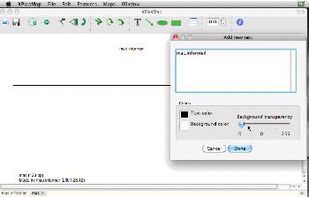
XPlasMap is a DNA mapping program.
It draws plasmid or linear DNA maps, showing features such as genes, multiple cloning sites, and restriction sites. The maps are highly customizable: colors, styles, position, and overall appearance of features can be changed. Fragments can be.




Complete bioinformatics toolkit for a wide range of genomics analysis needs, including transcriptomics, variant calling, epigenomics, metagenomics, comparative genomics and many more.



 Finland


