


Cost / License
- Free
- Open Source (MIT)
Application typeApplication types
Platforms
- Mac
- Windows
- Linux
- Online
- Docker



+5


Kreya is described as 'GUI client for gRPC, REST and WebSocket APIs with innovative features for environments, authorizations and more' and is a API Client in the development category. There are more than 50 alternatives to Kreya for a variety of platforms, including Mac, Windows, Linux, Web-based and SaaS apps. The best Kreya alternative is cURL, which is both free and Open Source. Other great apps like Kreya are Postman, Insomnia REST Client, Yaak and Hoppscotch.

Native desktop app for Windows offers high-performance REST and HTTP API testing, low memory and CPU use, custom methods, portable version, proxy support, multiple environments, code generation, multilingual interface, and import/export in light or dark themes.
 United States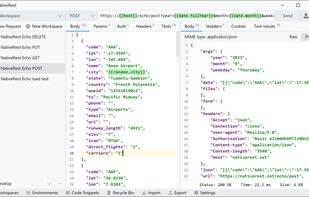
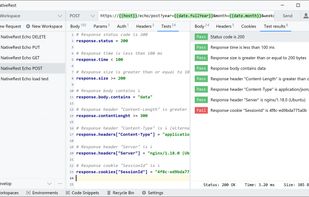
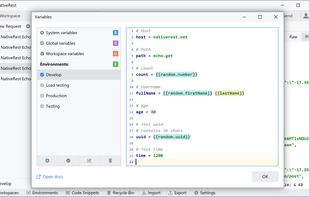
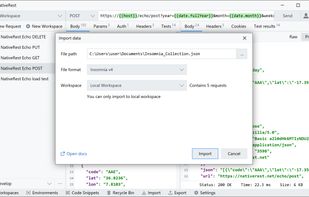


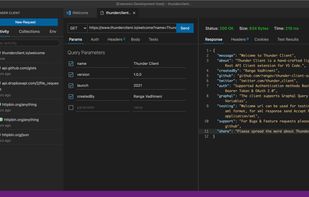
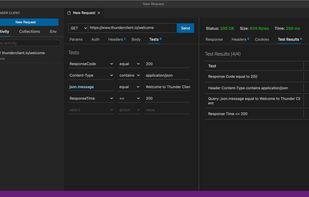
Thunder Client is a hand-crafted lightweight Http Client extension for Visual Studio Code. No separate download needed, Just install the extension from VS Code marketplace.


Milkman is a JavaFx-based workbench for crafting requests / responses. It is not limited to e.g. http (or more specifically rest) requests but can be extended in any imaginable way. It is optimized for fast startup and efficient workflow.
United States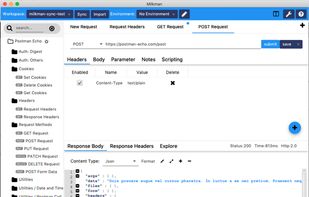
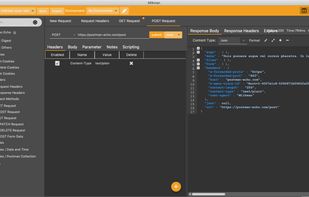

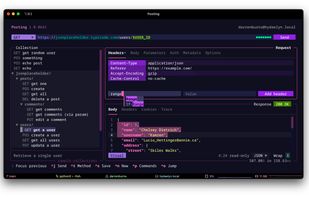
This is a tool to manually explore and test HTTP REST webservices. Runs queries from a plain-text query sheet, displays results as a pretty-printed XML, JSON and even images.
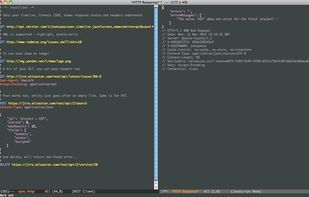

RESTClient can be used to test variety of HTTP communications and RESTful webservices. Friendly GUI, rich functionalities.
 India
India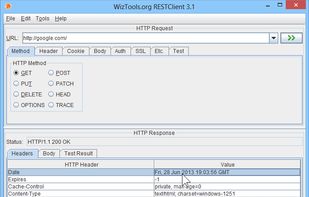


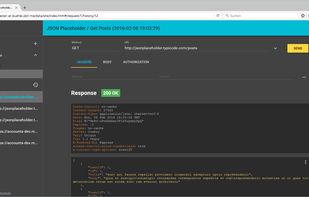
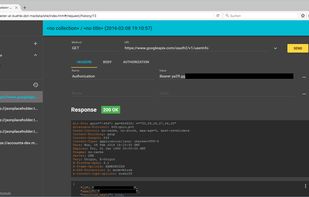
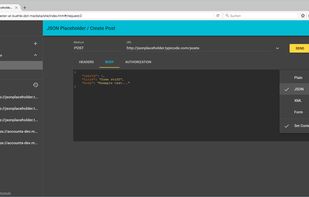


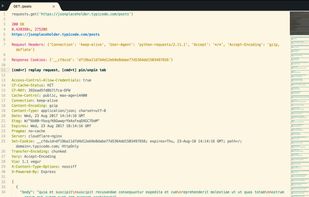
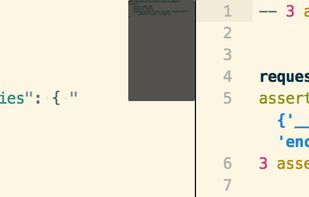
HTTP client plugin for Sublime Text with an expansive feature set, modern UX, elegant syntax and first class support for testing.


If you like the interface of HTTPie but miss the features of curl, curlie is what you are searching for. Curlie is a frontend to curl that adds the ease of use of httpie, without compromising on features and performance.
 France
 EU
EU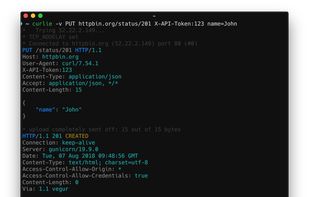


Lama2 defines the human-friendly l2 syntax and CLI for describing and executing APIs. Store your APIs in plain-text files. Collaborate with team using version control (say, git). Run Lama2 directly from VSCode extension. Think of Lama2 as Markdown for APIs.



apiman is an open source API management layer that streamlines repetitive tasks often required when providing an API, such as implementing security, throttling and billing.


