



PennyHelm
1 like
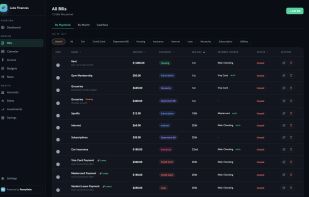
PennyHelm is an open-source personal finance tracker that brings your bills, bank accounts, debts, and cashflow together in one dashboard, with budgeting built around your paychecks rather than the calendar month.

Cost / License
- Free
- Open Source (AGPL-3.0)
Application type
Platforms
- Online
- Software as a Service (SaaS)
- Self-Hosted
- Google Chrome
- Mozilla Firefox
- Docker
- Android


Features

PennyHelm News & Activities
Highlights All activities
Recent activities
- AlternativeOfTheUsername liked PennyHelm
- jlc_1988 added PennyHelm
 jlc_1988 added PennyHelm as alternative to You Need A Budget, Actual Budget, Sure and Firefly III

PennyHelm information
Developed by
 administrativetrick
 Licensing
Open Source (AGPL-3.0) and Free product.Pricing
Subscription.Written in
Alternatives
5 alternatives listedBadge
Get an embeddable badge for PennyHelmSupported Languages

AlternativeTo Categories
Business & Commerce, Development, Office & ProductivityGitHub repository
- 8 Stars
- 2 Forks
- 0 Open Issues
- Updated


No comments or reviews, maybe you want to be first?