Cost / License
- Free
- Open Source (GPL-2.0)
Application type
Platforms
- Android
- OpenAPK


QEMU is described as 'Open-source hypervisor emulating CPUs via dynamic translation. Supports unmodified guest OS, allows mixed binary translation and native execution' and is a very popular Virtualization tool in the network & admin category. There are more than 25 alternatives to QEMU for a variety of platforms, including Linux, Windows, Mac, Self-Hosted and Web-based apps. The best QEMU alternative is VirtualBox, which is both free and Open Source. Other great apps like QEMU are WinBoat, VMware Workstation Pro, KVM (Kernel-based Virtual Machine) and Parallels Desktop.

Centralized platform for managing and optimizing virtualized environments, including monitoring, provisioning, automation, resource allocation, performance analytics, backup, disaster recovery, compliance, access control, VM migration, and integration with third-party tools.
 United States


Lima launches Linux virtual machines on macOS, with automatic file sharing, port forwarding, and containerd.


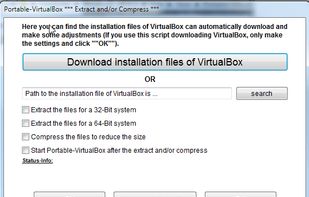
Portable-VirtualBox is a free and open source software tool that lets you run any operating system from a usb stick without separate installation. It unpacks and adjusts the paths and configuration of VirtualBox so it will run portably.
 Norway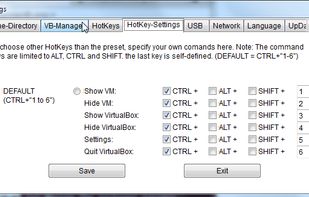


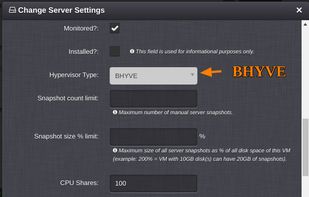
bhyve (pronounced "bee hive", formerly written as BHyVe) is a type-2 hypervisor that runs FreeBSD 9+, OpenBSD, Linux and MS Window desktop (versions Vista, 7, 8/8.1/8.2 and 10), as well as MS Windows Server (versions 2008/2008R2, 2012/2012R2 and 2016 Technical Preview...


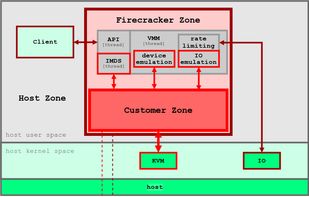
Firecracker is an open source virtualization technology that is purpose-built for creating and managing secure, multi-tenant container and function-based services that provide serverless operational models.
United States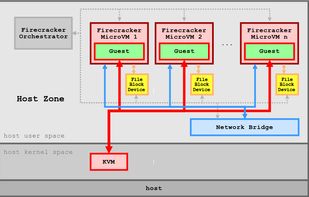


VirtualBuddy can virtualize macOS 12 and later on Apple Silicon, with the goal of offering features that are useful to developers who need to test their apps on multiple versions of macOS, especially betas.
 Brazil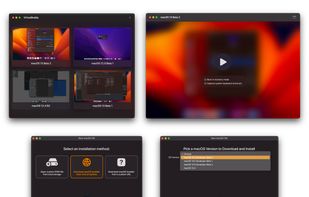


OpenVZ is container-based virtualization for Linux.
OpenVZ creates multiple secure, isolated Linux containers (otherwise known as VEs or VPSs) on a single physical server enabling better server utilization and ensuring that applications do not conflict.
Each container performs.
United States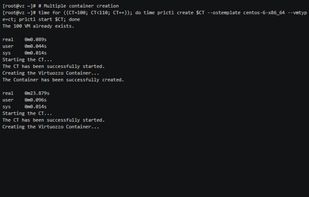

Xvisor® is an open-source type-1 hypervisor, which aims at providing a monolithic, light-weight, portable, and flexible virtualization solution.

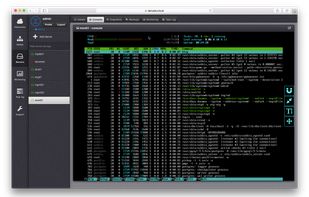
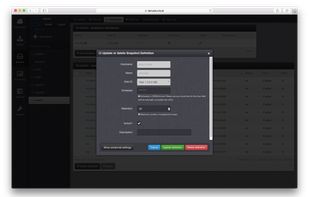
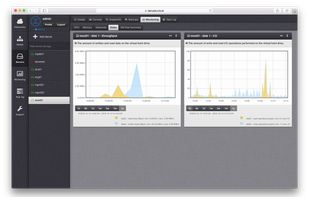
Danube Cloud is a cloud management software used for deploying, maintaining and automating cloud data centers and their processes.
 Slovakia
 EU
EU