




Uptimepage
1 like
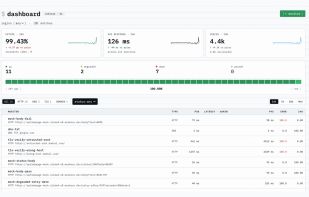
Uptimepage is hosted uptime monitoring with a public status page built in, for teams that want both jobs from one product with no infrastructure to run. Checks run as often as every 60 seconds from five regions (San Jose, New York, Frankfurt, Helsinki and Singapore) across eight...

Cost / License
- Freemium (Subscription)
- Open Source (AGPL-3.0)
Application typeApplication types
 EU
EUPlatforms
- Online
- Self-Hosted
- Software as a Service (SaaS)
- Docker


Features
Uptimepage News & Activities
Highlights All activities
Recent activities
- slima4 updated Uptimepage
- slima4 liked Uptimepage
- POX updated Uptimepage
- slima4 added Uptimepage
 slima4 added Uptimepage as alternative to Uptime Kuma, Better Stack, UptimeRobot and Pingdom


Uptimepage information
Developed by
 uptimepage
 Licensing
Open Source (AGPL-3.0) and Freemium product.Pricing
Subscription ranging between $9 and $19 per month + free version with limited functionality.Written in
Alternatives
14 alternatives listedBadge
Get an embeddable badge for UptimepageSupported Languages

AlternativeTo Categories
Network & Admin, AI Tools & Services, DevelopmentGitHub repository
- 34 Stars
- 8 Forks
- 49 Open Issues
- Updated


No comments or reviews, maybe you want to be first?