


WinDiff Alternatives
WinDiff is described as 'Graphical file-comparison program published by Microsoft (from 1992[1]), and is distributed with certain versions of Microsoft Visual Studio as well as in source-code form with the Platform SDK code samples' and is a Diff Tool in the development category. There are more than 25 alternatives to WinDiff for a variety of platforms, including Windows, Linux, Web-based, Mac and PortableApps.com apps. The best WinDiff alternative is WinMerge, which is both free and Open Source. Other great apps like WinDiff are Beyond Compare, Diffchecker, Compare and SemanticDiff.
Alternatives list

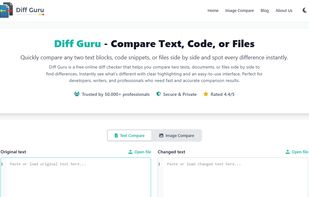
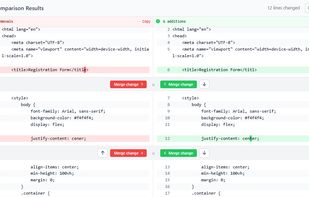
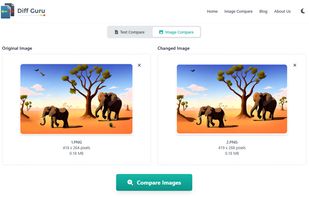
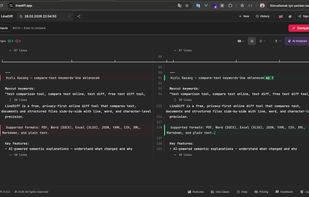
DiffGuru is a free online tool for developers and writers to instantly compare two blocks of text or files, highlight additions and deletions, and merge changes - no signup required, privacy-first design.
Cost / License
- Free
- Proprietary
Application typeApplication types
Platforms
- Online
 +4
+4


- 44 Ediff alternatives
Ediff is a comprehensive visual interface to Unix diff and patch utilities.
Ediff provides a convenient way for simultaneous browsing through the differences between a pair (or a triple) of files or buffers (which are called ‘variants’ for our purposes). The files being compare.
Cost / License
- Free
- Open Source
Application typeApplication types
Platforms
- Windows
- Linux
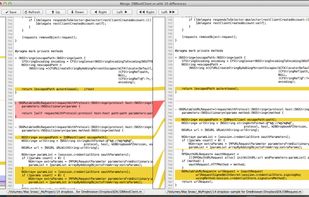
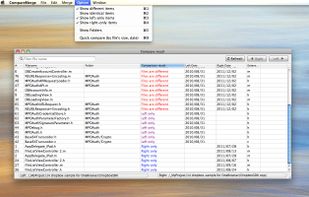
E  66 CompareMerge alternatives
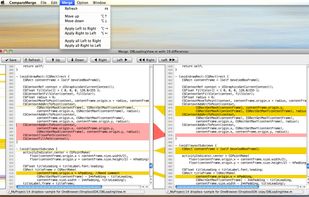
CompareMerge is a Mac OSX's software tool for file comparison and merging text-like files.
Cost / License
- Paid
- Proprietary
Application type
Platforms
- Mac
 Vietnam


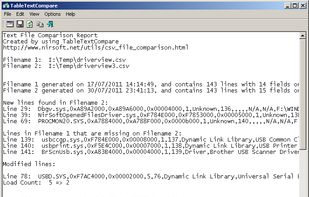
"TableTextCompare" (TTC) is a small utility that provides easy comparison of two-tab-delimited or comma-delimited (csv) files, to determine the difference between the two files.
Cost / License
- Free
- Proprietary
Application type
Platforms
- Windows
- Self-Hosted
 Israel

 55 Diff Doc alternatives
Compare Files Using ' Diff Doc' a visual file compare and folder compare utility that creates a detailed file diff. File comparison can optionally be done with the command line. Compare Word and Compare XLS files in addition to PDF, txt, rtf...
Cost / License
- Paid
- Proprietary
Application typeApplication types
Platforms
- Windows

 59 Workshare Compare alternatives
Workshare Compare is the leading document comparison software that lets you perform file comparison of two documents against multiple modified versions.
Cost / License
- Paid
- Proprietary
Application type
Platforms
- Windows

 60 Diff Checker Chrome Extension alternatives
Diffchecker will compare text to find the difference between two text files. Just paste your files and click Find Difference!.
Cost / License
- Free
- Proprietary
Application type
Platforms
- Google Chrome
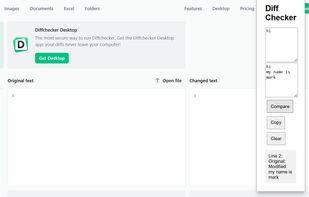


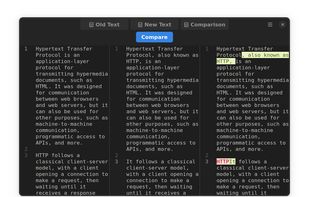
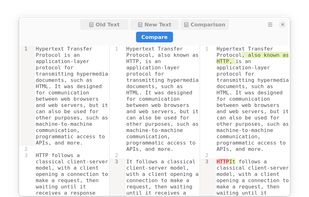


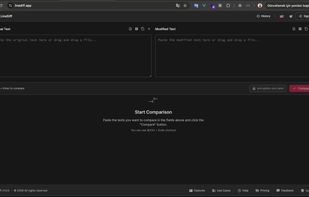
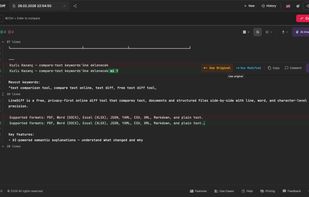
Free AI-powered text and file comparison tool. Compare PDF, Word, Excel, JSON, YAML, CSV, XML and Markdown online. End-to-end encryption, real-time collaboration, AI explanations. No installation needed.
Cost / License
- Freemium
- Proprietary
Application type
Platforms
- Online
- Software as a Service (SaaS)


 United States


 United Kingdom


