

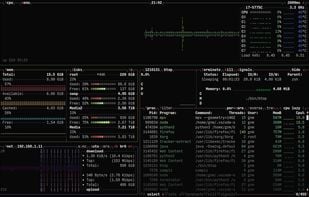
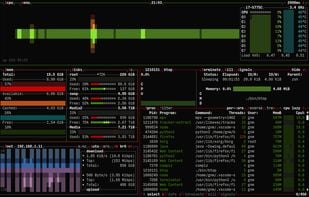
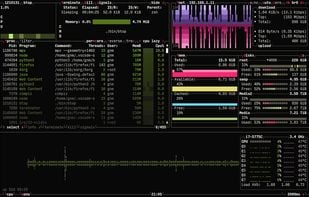
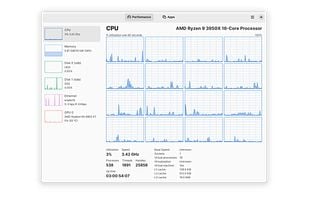
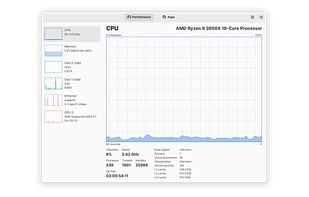
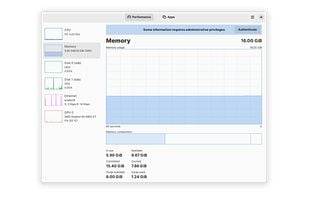
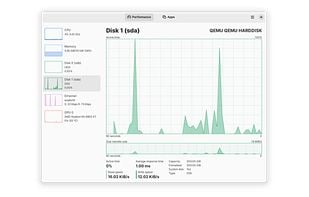
Resource monitor that shows usage and stats for processor, memory, disks, network and processes.
+4
Best alternatives are  Process Explorerand
 htop
htop
28 alternativesProcess Explorerandhtop

Resource monitor that shows usage and stats for processor, memory, disks, network and processes.
Process Explorerandhtop
 CPU-Zand
 HWiNFO (32/64)
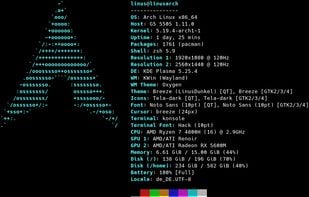
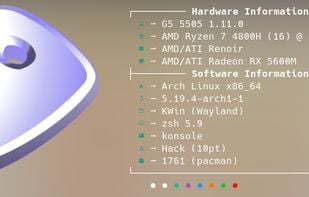
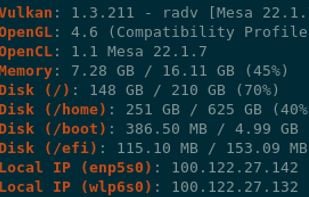
Fastfetch is a neofetch-like tool for fetching system information and displaying them in a pretty way. It is written mainly in C, with performance and customizability in mind. Currently, Linux, Android, FreeBSD, MacOS and Windows 7+ are supported.
 Neofetchand
 Screenfetch
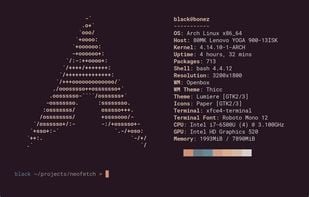
Neofetch is a command-line system information tool written in bash 3.2+. Neofetch displays information about your operating system, software and hardware in an aesthetic and visually pleasing way.


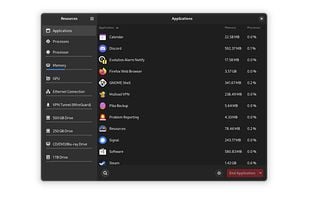
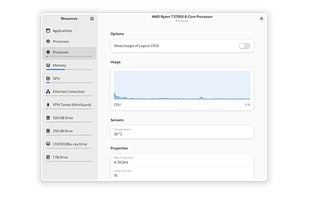
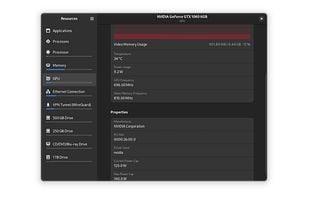
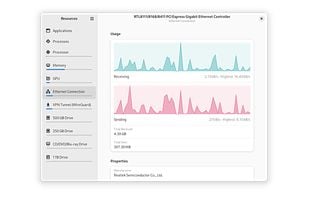
Resources is a simple yet powerful monitor for your system resources and processes, written in Rust and using GTK 4 and libadwaita for its GUI.
 CPU-ZandHWiNFO (32/64)
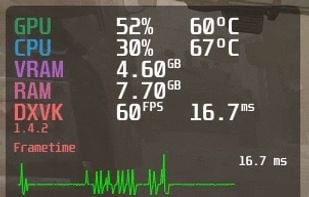
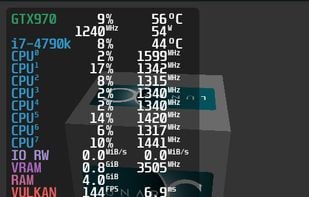
A Vulkan and OpenGL overlay for monitoring FPS, temperatures, CPU/GPU load and more. Discord: https://discordapp.com/invite/Gj5YmBb - flightlessmango/MangoHud

 Open Hardware Monitor
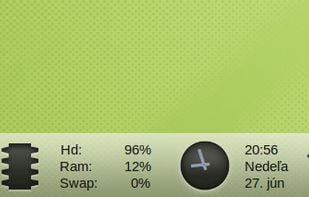
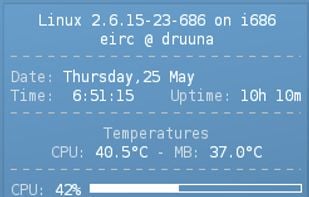
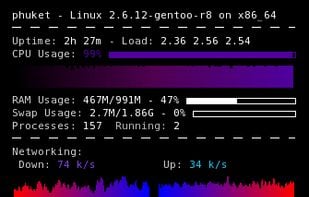
Conky is a free, light-weight system monitor for X, that displays any kind of information on your desktop. Originally a fork of Torsmo, Conkys torsmo-based code is BSD licensed. New code in Conky has been licensed under the GPL 3.0.
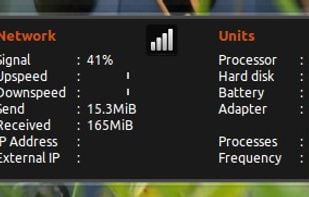

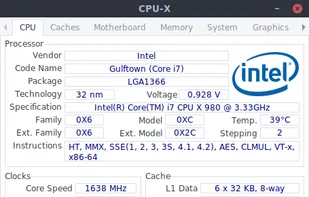
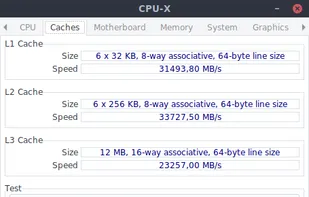
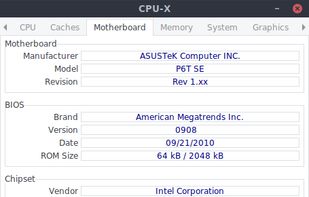
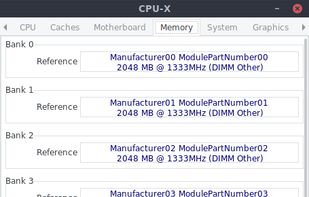

Pachtop is a lightweight, performant, and opensource system monitor that provides real-time monitoring of your system's performance, application monitoring, and detailed system information. Built with Rust and Tauri
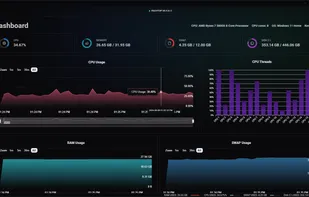
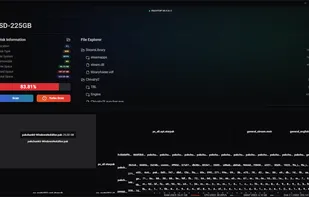
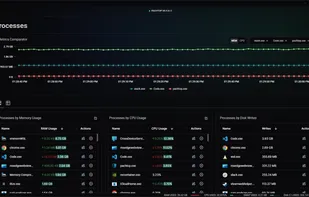 Process Explorerandhtop


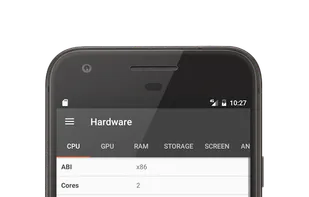
 CPU-ZandHWiNFO (32/64)
Hardinfo2 is based on hardinfo, which have not been released >10 years. Hardinfo2 is the reboot that was needed.
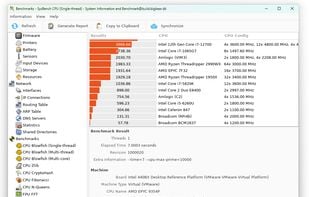
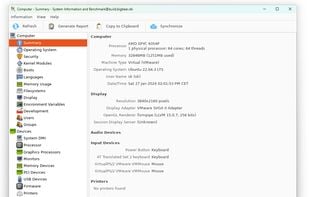
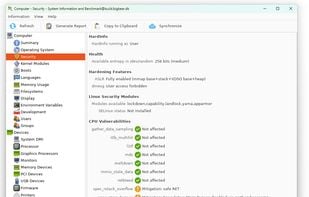
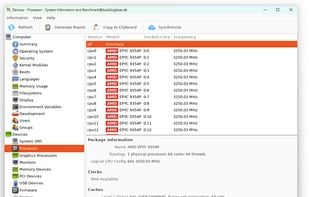 HWiNFO (32/64)
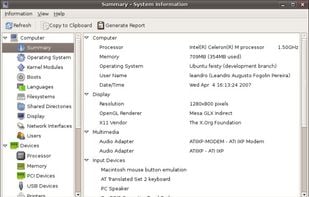
Hardinfo is a system information and benchmark tool for Linux. It shows detailed system info, including hardware, environment, and kernel. It can use lm_sensors and ACPI for temperature and battery information. It also has four CPU banchmarks and two FPU benchmarks.
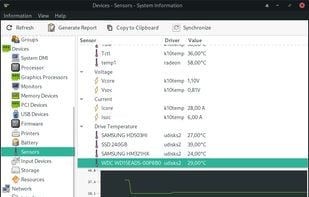
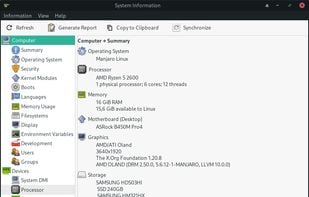 CPU-ZandHWiNFO (32/64)
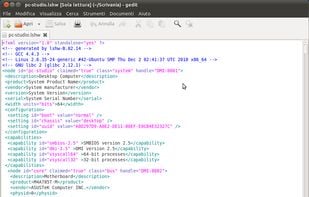
lshw (Hardware Lister) is a small tool to provide detailed information on the hardware configuration of the machine.
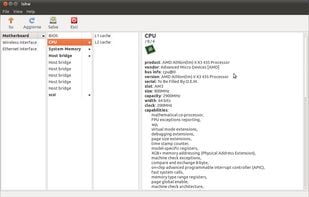
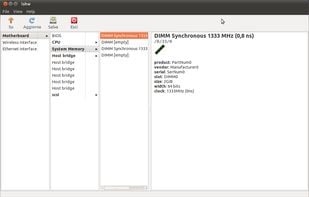
 CPU-ZandHWiNFO (32/64)
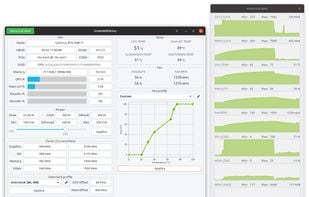
GWE is a GTK system utility designed to provide information, control the fans and overclock your NVIDIA video card and graphics processor.
 Open Hardware Monitor
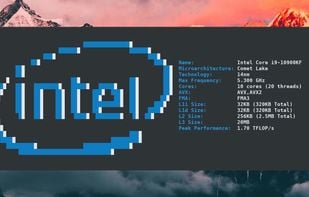
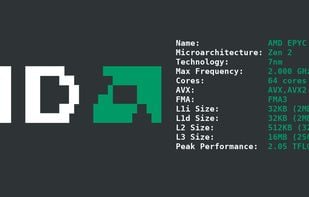
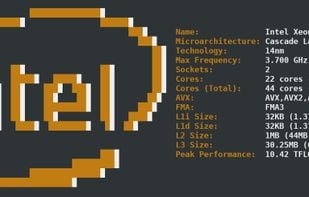
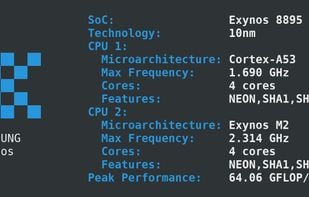
cpufetch is a command-line tool written in C that displays the CPU information in a clean and beautiful way.

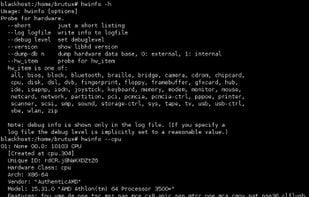
hwinfo/libhd are used to probe for the hardware present in the system. It can be used to generate a system overview log which can be later used for support.

 HWiNFO (32/64)and
 Speccy
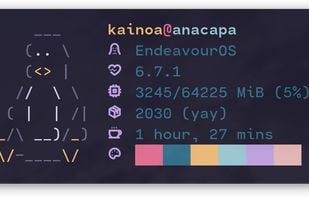
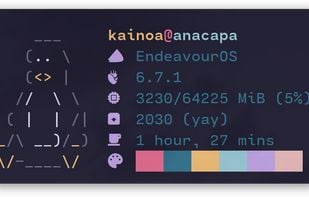
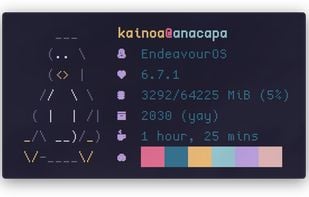
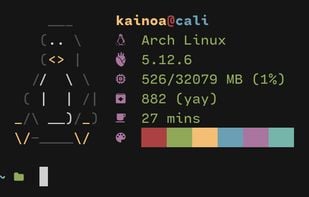
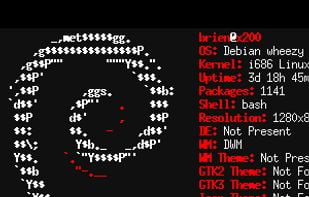
Simple command-line tool that displays your distro's logo in text art form, your OS version, your kernel version, your CPU, GPU, and RAM, your DE, resolution, WM, themes, and shell type, and more.
 HWiNFO (32/64)andSpeccy
Dmidecode reports information about your system's hardware as described in your system BIOS according to the SMBIOS/DMI standard. This information typically includes system manufacturer, model name, serial number, BIOS version, asset tag as well as a lot of other details of...

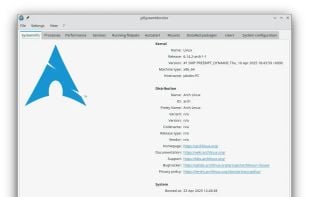
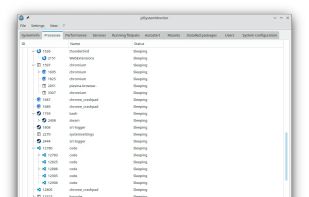
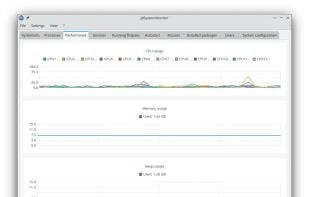
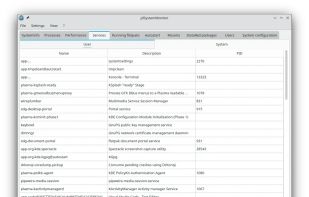
jdSystemMonitor is an advanced, desktop-independent system monitor for Linux. Its goal is to provide as much information about your system as possible, with a focus on process management.
 Process Explorerandhtop
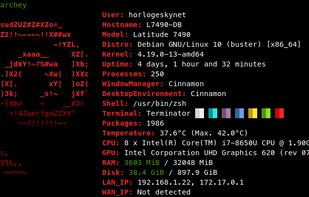
Archey 4 is a system information tool for the command line. It is written in Python and shows information like the distribution name, system uptime, kernel version, CPU, RAM usage and more.
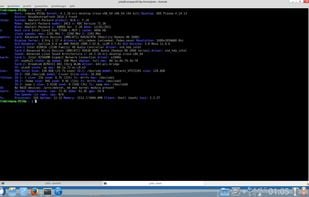
Inxi is a system information script that can display various things about your hardware and software to users in an irc chatroom or support forum. it runs with the /exec command in most irc clients.
 HWiNFO (32/64)andSpeccy
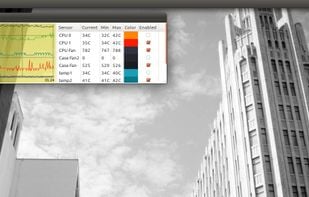
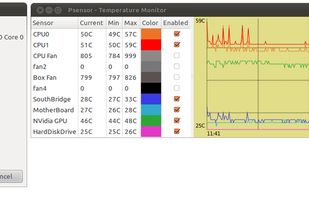
Psensor is a graphical hardware temperature monitor for Linux. It can monitor the temperature of the motherboard and CPU sensors (using lm-sensors), the temperature of the NVidia GPUs (using XNVCtrl), the temperature of ATI/AMD GPUs, the temperature of the Hard Disk Drives...
 MacThrottleand
 Hardinfo
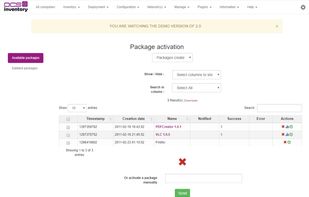
10 years mature OCS Inventory NG, an OpenSource computer inventory and package deployment system for Win32 and Unix and Apple and Linux. Works with glpi-project.org helpdesk.

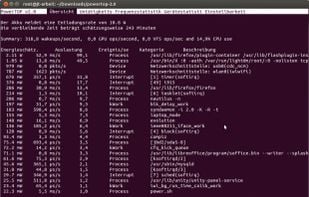
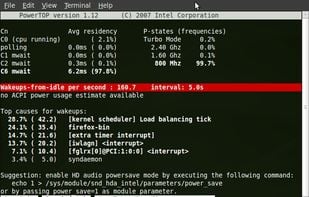
PowerTOP is a Linux tool to diagnose issues with power consumption and power management. In addition to being a diagnostic tool, PowerTOP also has an interactive mode where the user can experiment various power management settings for cases where the Linux distribution has not...
 Process Explorer

 China
China
 Australia




 France
 EU
EU
 Philippines
 Poland

 Brazil

 Italy
Italy
 Spain
Spain
 Germany


 United States