

Cost / License
- Free
- Open Source (LGPL-2.1)
Application type
Platforms
- Linux
- Arch Linux
- Gentoo
- Fedora
- Wine
- Ubuntu
- Debian
- FreeBSD
- MacPorts
- Homebrew
- Slackware


Browse 54 Fedora Software on AlternativeTo.

Atomic Wallet is a universal, fully decentralized, multi-currency, and convenient app with a simple interface that supports over 300 cryptocurrencies. It’s designed to be the best option if you’re looking for Bitcoin, Ethereum, Ripple, Litecoin, EOS, Tron wallet.




 Proton Walletand
 Electrum
 Facial Recognition Authentication
Gets Detailed Information About The IP's Organisation, City & Region, Protocols, Reports or Records, Longitude & Latitude, Country phone, Timezone name & Timezone, ISP, Bgproute & Routedesc & Whoisdesc, AS &...
 SpiderFoot
A simple notification daemon with a GTK gui for notifications and the control center

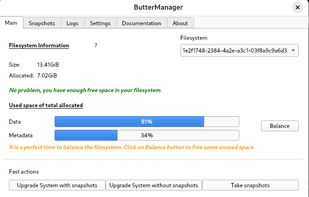
ButterManager is a BTRFS tool for managing snapshots, balancing filesystems and upgrading the system safetly.
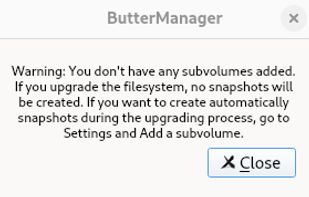
 Btrfs Assistant
LXRandR is the standard screen manager of LXDE. It manages screen resolution and external monitors. You can plug in another screen into LXDE or choose to use a big screen projector. Local screen and extenal screen can be used at the same time.
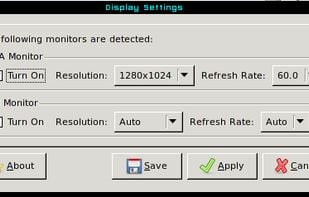
 wdisplaysand
 nwg-displays
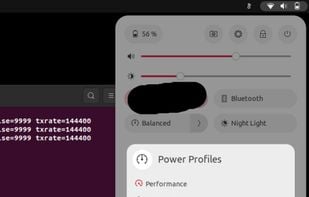
Lenovo Legion Linux (LLL) brings additional drivers and tools for Lenovo Legion series laptops to Linux. It is the alternative to Lenovo Vantage or Legion Zone (both Windows only).
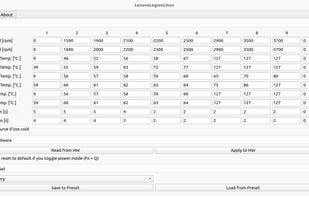
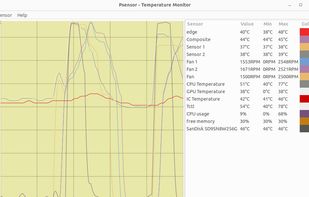
 Lenovo Legion Toolkit (LLT)
A tool for Linux, which allows the use of interactive command line environments for software development and troubleshooting the host operating system, without having to install software on the host.

Enterprise-class open source Linux LDAP server. Hardened by real-world use, full-featured, supports multi-master replication. 389 DS can be downloaded for free and set up in less than an hour using the graphical console.
 Microsoft Active Directory
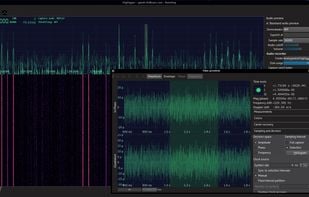
SigDigger is a Qt5 digital signal analyzer written in C/C++ that runs in GNU/Linux, macOS and Windows. SigDigger uses its own DSP library (sigutils) and a realtime signal analysis library (Suscan) to distribute load, and supports most SDR devices in the market thanks to SoapySDR.

 Xbox Game Barand
 Medal.tv
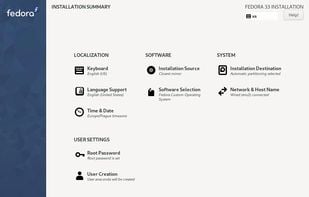
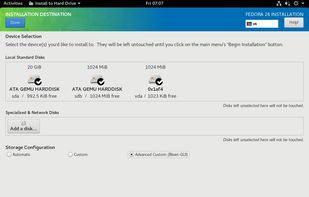
Anaconda is the installation program used by Fedora, Red Hat Enterprise Linux and some other distributions.
 Calamares
FedBerry allows people to easily install and use Fedora on the RPi2/3. FedBerry was created when Fedora did not previously support the Raspberry Pi 2/3 Model B (RPi2/3).
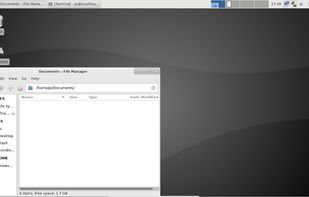
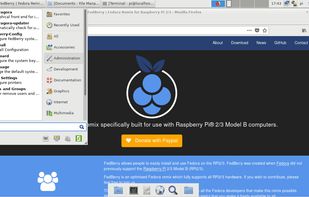
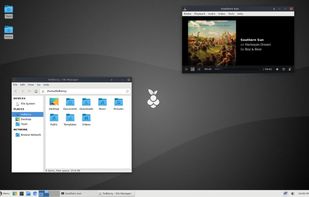
 Raspberry Pi OS
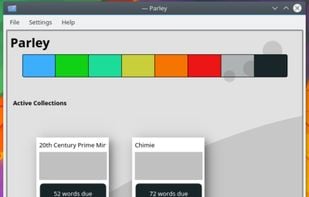
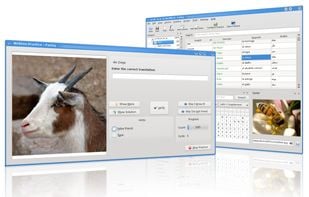
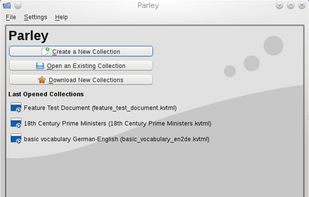
Parley is a vocabulary trainer. It helps you to memorize your vocabulary, for example when you are trying to learn a foreign language. You can create your own collections or select from a great variety of available Vocabulary Collections.

Stalonetray is a stand-alone system tray (notification area) for X Window System/X11. Working with virtually any EWMH-compliant window manager, it has minimal build and run-time dependencies (X11 lib only). Complete XEMBED support under development.


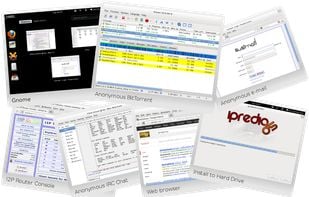
IprediaOS is a fast, powerful and stable operating system based on Linux that provides an anonymous environment. All network traffic is automatically and transparently encrypted and anonymized via I2P. Many applications are available in IprediaOS.
 Tailsand
 Kali Linux
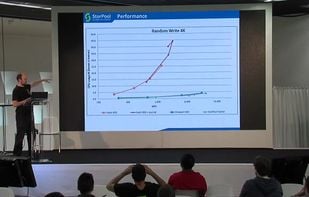
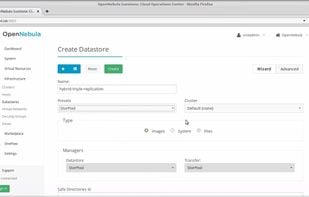
StorPool is an intelligent software-defined storage solution that allows service providers, enterprises and other Cloud builders to run data storage on standard x86 servers, instead of on expensive and inefficient storage arrays (SANs).
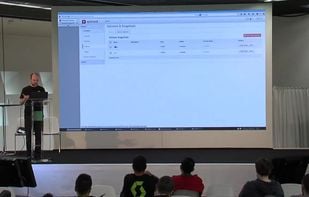

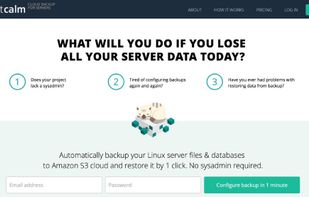
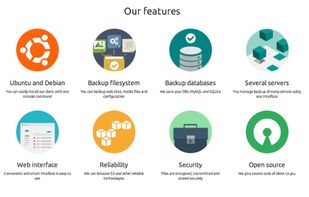
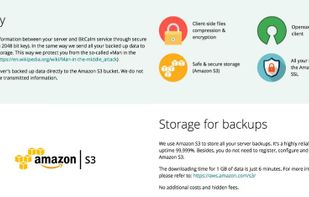
BitCalm is a service that takes care of your Linux server's backup. Install it with a simple console command, use our smart web interface to configure your backup and you can be sure your data is protected.
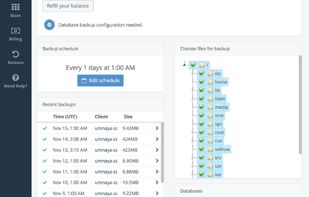
 Vobla
Vobla Arch User Repository (AUR)
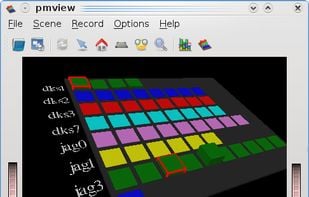
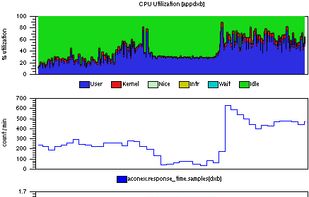
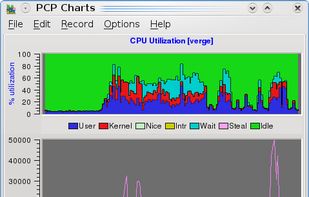
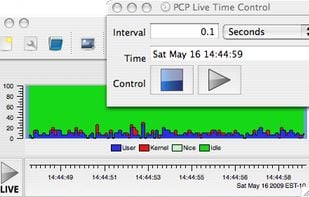
Performance Co-Pilot (PCP) provides a framework and services to support system-level performance monitoring and management. It presents a unifying abstraction for all of the performance data in a system, and many tools for interrogating, retrieving and processing that data.


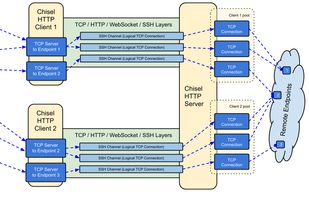
Chisel is a fast TCP/UDP tunnel, transported over HTTP, secured via SSH. Single executable including both client and server. Written in Go (golang). Chisel is mainly useful for passing through firewalls, though it can also be used to provide a secure endpoint into your network.
 OpenVPN Connectand
 WireGuard
dwdiff is a diff program that operates at the word level instead of the line level. It is different from wdiff in that it allows the user to specify what should be considered whitespace, and in that it takes an optional list of characters that should be considered delimiters.


 Estonia
 EU
EU

 Netherlands


 Taiwan

 United States



 Spain
Spain


 Bulgaria





 Australia