The open source Firebase alternative. Supabase adds realtime and restful APIs to Postgres without a single line of code.
Cost / License
- Freemium
- Open Source (Apache-2.0)
Application type
Platforms
- Online
- Self-Hosted
 United States


Convex Database is described as 'Convex is the open-source backend for application builders. An all-in-one platform with thoughtful, product-centric APIs' and is an app. There are more than 10 alternatives to Convex Database for a variety of platforms, including Web-based, Self-Hosted, Mac, Windows and Linux apps. The best Convex Database alternative is Supabase, which is both free and Open Source. Other great apps like Convex Database are PocketBase, Firebase, Directus and SignalDB.
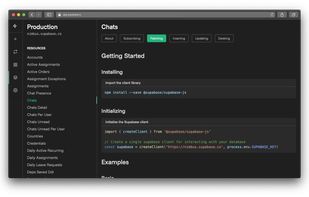
The open source Firebase alternative. Supabase adds realtime and restful APIs to Postgres without a single line of code.
United States
 Bulgaria
 EU
EU



Firebase, provided by Google, is a backend service and application development platform. It uses AI, cloud infrastructure, and cross-platform SDKs for efficient app development. Firebase offers tools and infrastructure for app creation and business growth.
United States



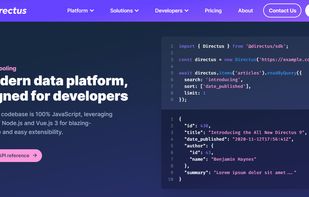
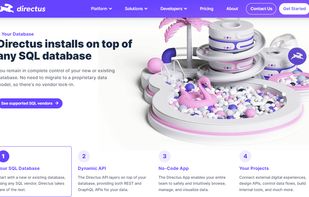
Directus, with over 20 million downloads, is the world's first Open Data Platform. It can transform any SQL database into an API and a no-code application instantly, providing equal data and digital file asset management access to all team members.
United States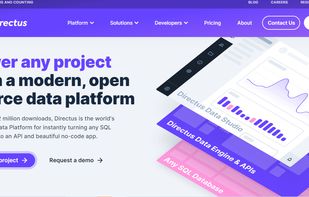


SignalDB is a client-side database with a MongoDB-like interface and TypeScript support. It allows easy data management, reactivity and persistence on the client side, with plans for future replication capabilities.
 GermanyEU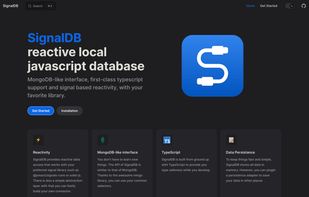


Pay-as-you-go Postgres backend with built-in auth, S3-compatible storage, and auto-generated REST APIs. A Supabase alternative without per-project minimums.
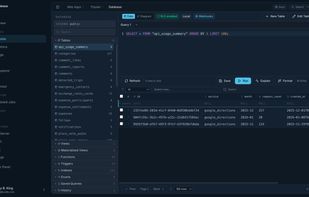
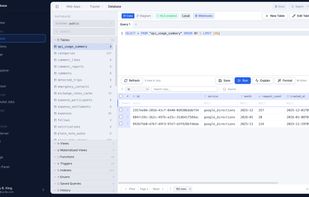


Mavibase is a TypeScript-native, open-source backend platform designed for production workloads. We deliver database management, authentication, and real-time capabilities as a unified system eliminating vendor lock-in and unnecessary complexity.
 Türkiye


The AI-native backend. Idea in, API out. Model reality as it is, in graphs. Your agents compose typed JSON queries programmatically. No SQL, no joins, no ORMs.
United States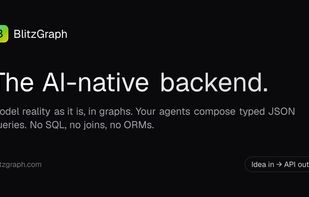



Write actions, a database schema, and auth as TypeScript files in a typebase/ folder inside your app. Your frontend calls them like local functions, end-to-end typed, zero REST boilerplate.