




LingoSpark
1 like
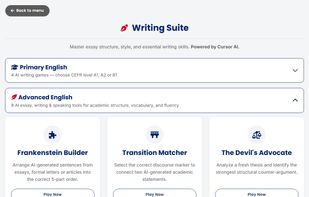
A browser-based ESL platform that turns English vocabulary, classroom games, and writing practice into short interactive activities for students and teachers.

Cost / License
- Freemium (Pay once or Subscription)
- Proprietary
Application typeApplication types
 EU
EUPlatforms
- Online
- Software as a Service (SaaS)


Features
LingoSpark News & Activities
Highlights All activities
Recent activities
- karolsenk liked LingoSpark
- karolsenk added LingoSpark
- Maoholguin updated LingoSpark
 karolsenk added LingoSpark as alternative to Anki, Notion, AnkiDroid and Duolingo
LingoSpark information
Developed by
 Karol Sek
 Licensing
Proprietary and Freemium product.Pricing
One time purchase ranging between $3 and $10, and / or subscription ranging between $3 and $10 per month + free version with limited functionality.Alternatives
51 alternatives listedBadge
Get an embeddable badge for LingoSparkSupported Languages
AlternativeTo Categories
Education & Reference, Home & Family, Games, News & Books, Remote Work & Education

No comments or reviews, maybe you want to be first?